7 Window Seat Bookshelf Ideas: Depth, Backs and Light That Get Used

Add us as a preferred source to see more stories on Google.
A window niche gets used when the body reads shelter there, and it stays empty when the body reads exposure with a view.
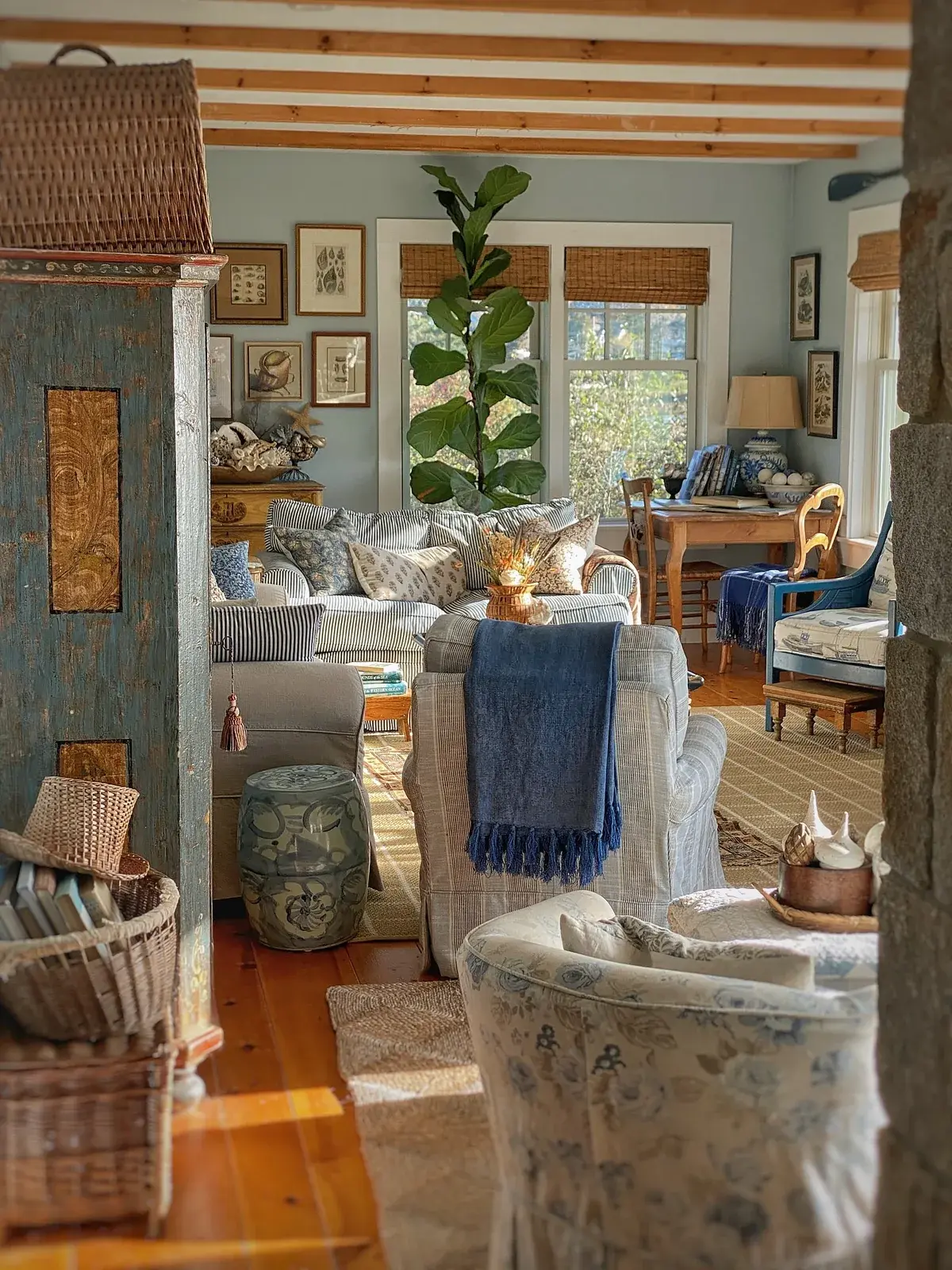
In the sage green room below, the bookcases run full height on either side of an arched doorway, and the composition holds because the joinery bounds the space on three sides. A seat set between shelves like these inherits the same enclosure, which is why built in books plus a bench outperform a cushion balanced on a radiator cover.
The argument of this page is that comfort decides, not styling. Depth lets legs rest, a back lets shoulders lean, and light over one shoulder lets eyes stay, so those three plus storage underneath are the whole brief.
Tune depth so leaning beats perching
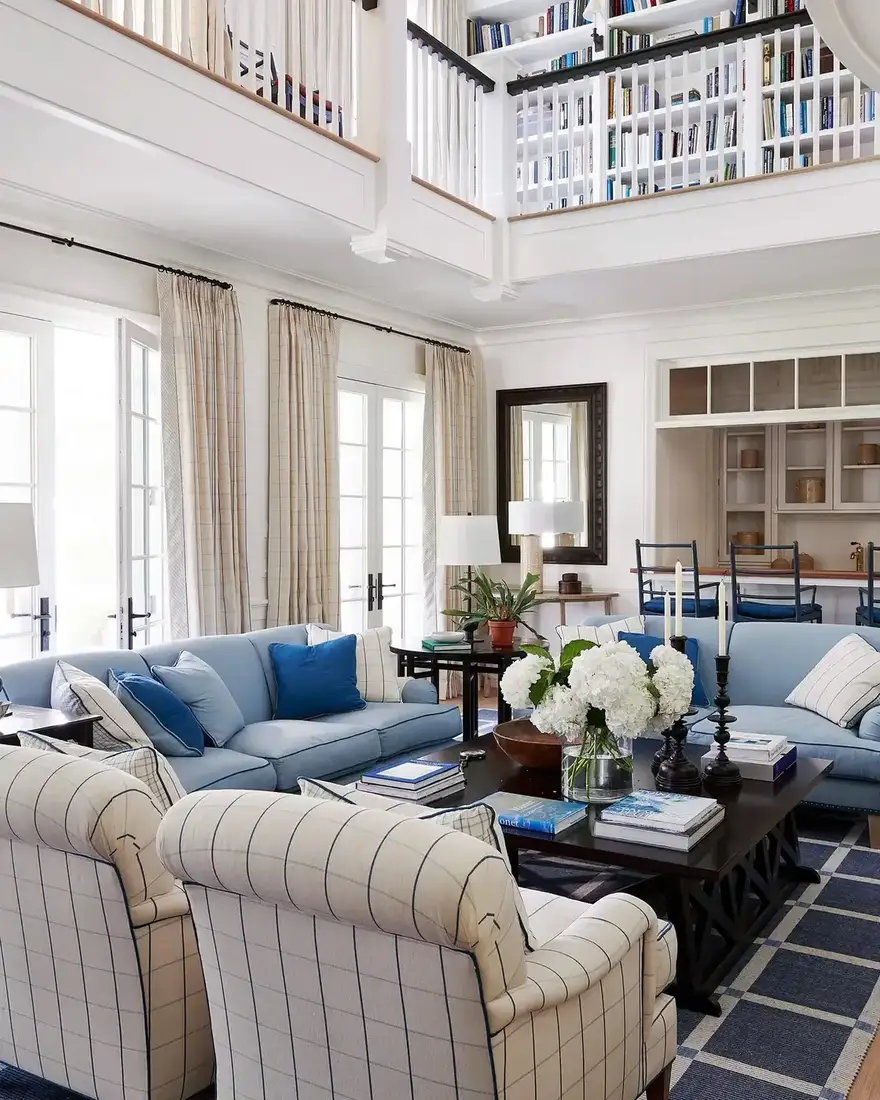
Look at the tall joinery in that library photograph, shelves climbing two storeys with a railed gallery across the middle. The room works because every level gives the body something to lean against or rest upon, and a window seat fails for exactly the opposite reason when it offers a ledge with daylight but nowhere for legs.
The governing measurement is seat depth. Dining height, around 450 to 480mm from floor to cushion top, with 550 to 650mm from the glass to the front edge, lets most adults sit with feet grounded and knees easy. Shallower than about 500mm, the sitter perches with calves against the front; deeper than 700mm, nobody under six foot reaches the back without piling pillows, and the pillows slide, so the seat empties.
Test before joinery is fixed. Sit with shoulders to the wall, feet flat, and stay ten minutes with a book, because showrooms flatter and five seconds tells nothing. Bays under 450mm deep should stay as display shelving with a plant, not a seat, since knees colliding with the front panel end the habit within a week.
| Element | Sensible size |
|---|---|
| Seat height, floor to cushion top | 450 to 480mm |
| Seat depth, glass to front edge | 550 to 650mm |
| Back cushion height | 400 to 500mm |
| Shelves above a used seat | 200 to 250mm deep |
| Seat cushion thickness, firm foam | 75 to 100mm |
Backs do the staying
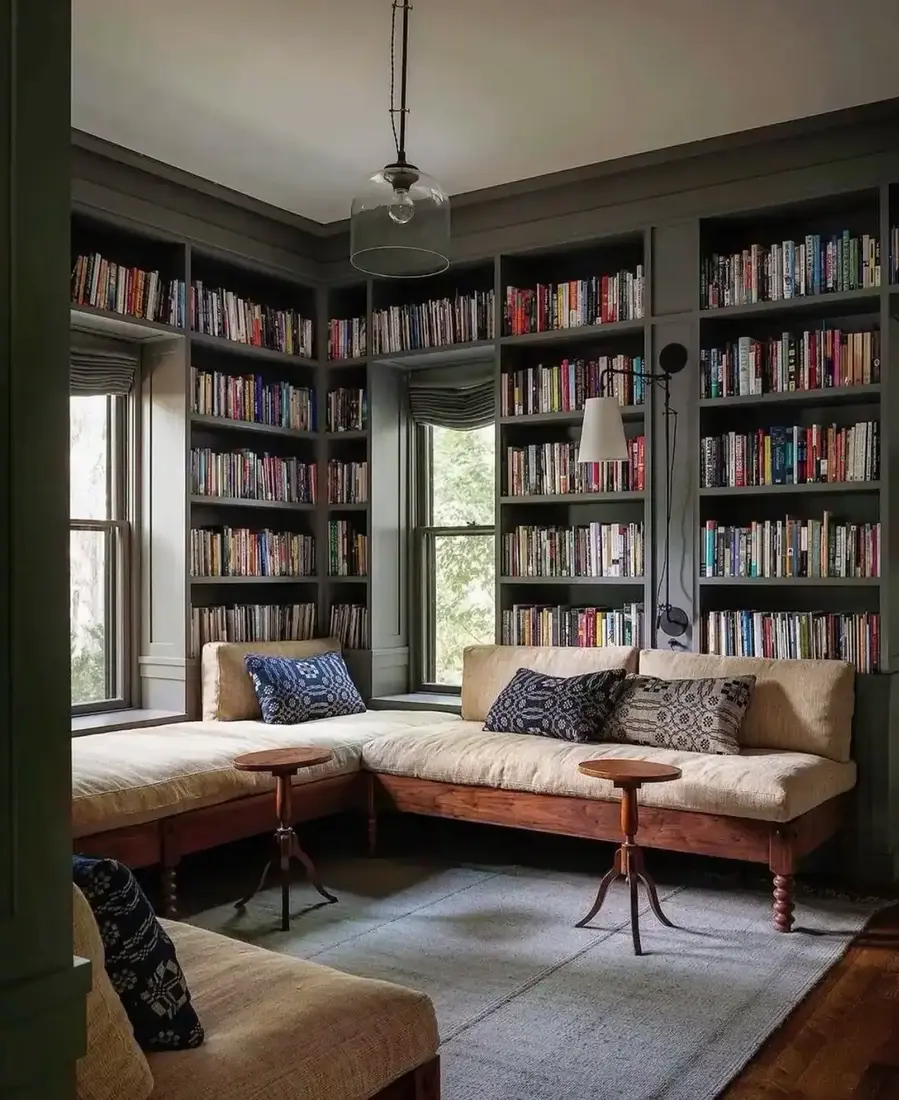
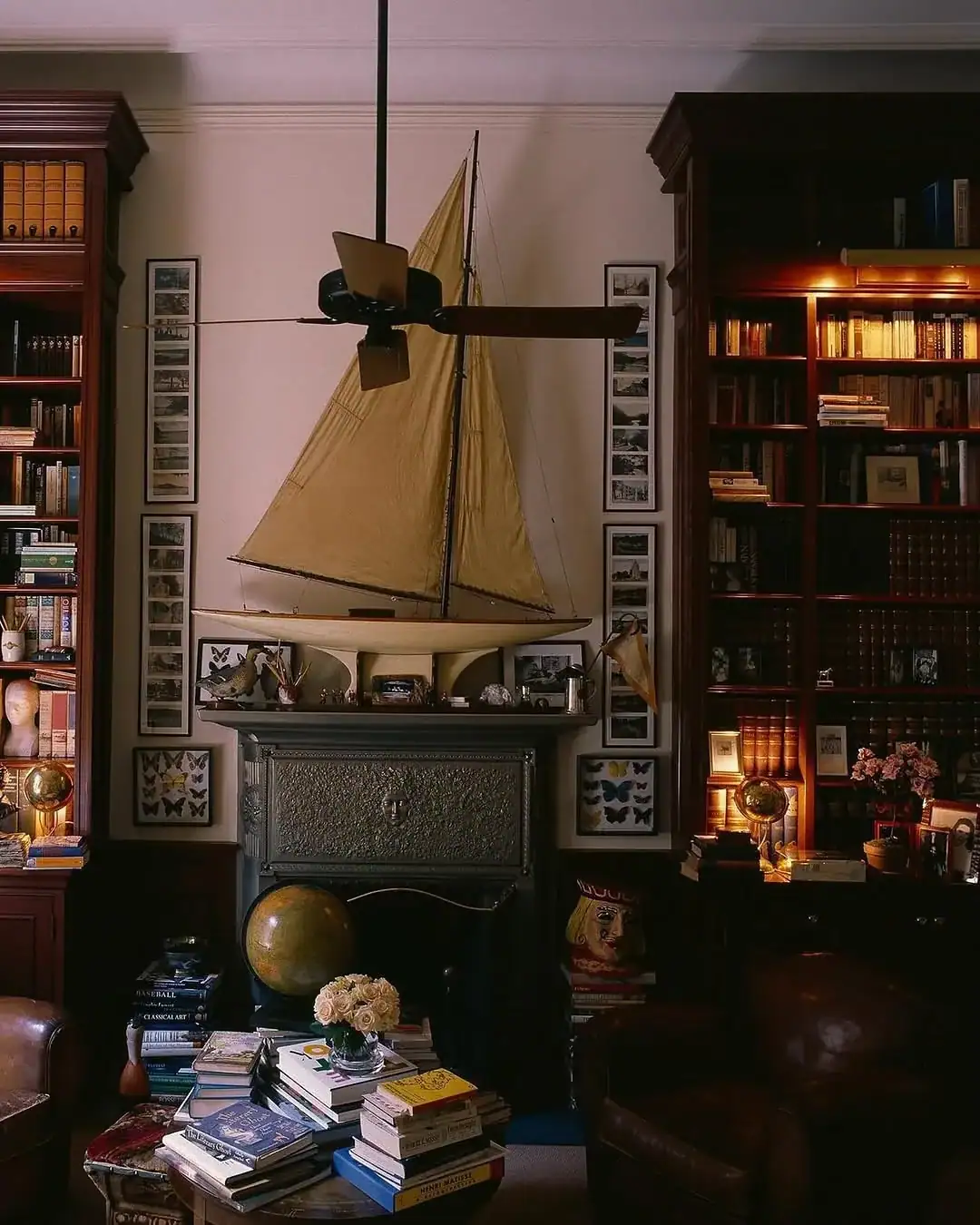
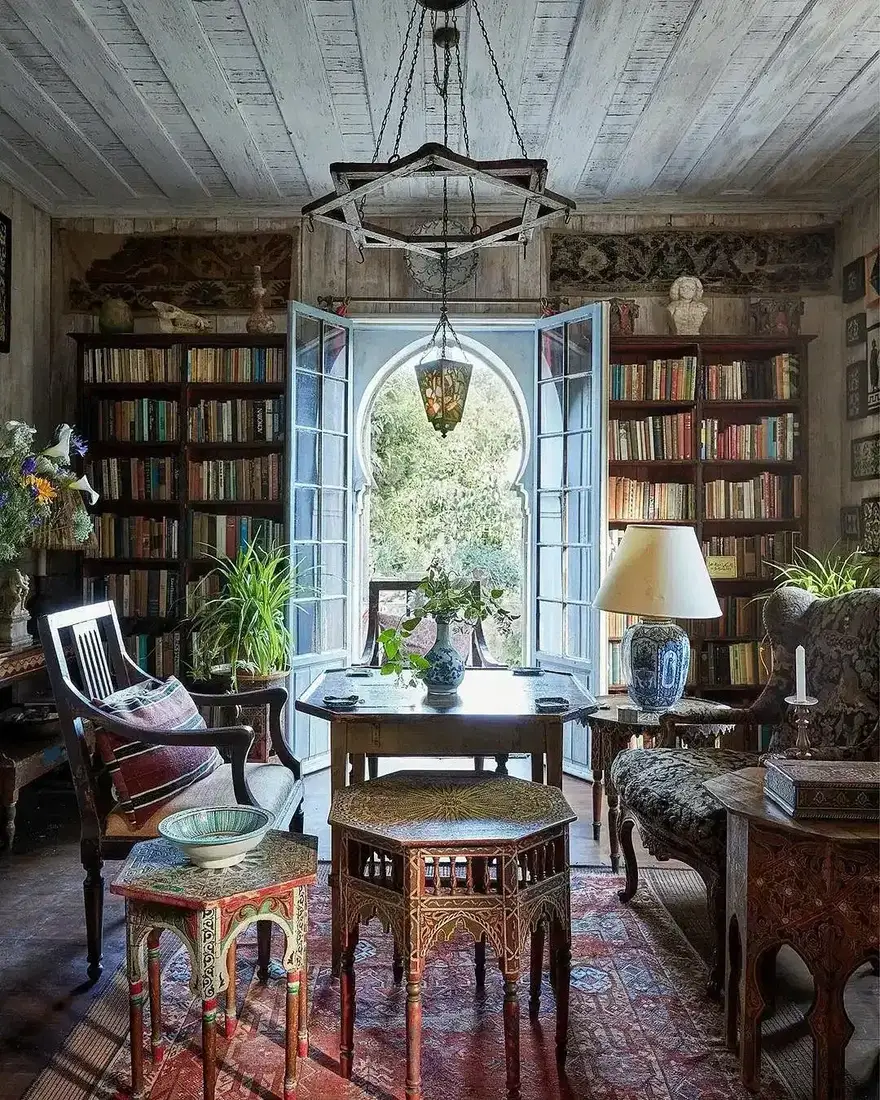
See how the shelves in this warm library hold objects at every height, with books plus pictures plus pottery sharing the bays. The room invites long looking because there is always something at shoulder height to meet the eye, and a window seat works the same way in reverse: shoulders want padding meeting them at the same height.
That is the reframe. People blame thin seat pads for empty niches, but sitting time is leaning time, and a hard wall or cold glass behind the shoulders ends the stay while the cushion is still comfortable. Backs deserve the budget, which means cushions 400 to 500mm high, angled slightly, deep enough to hold shoulder blades without pushing the sitter forward.
Commission the back before the base pad. Reflex foam or a feather wrap around a foam core at 75 to 100mm holds shape; loose fibre alone slumps within months. Covers in a washable linen union from Ian Mankin or Lewis and Wood run £45 to £110 per metre in 2026, and a foam pad cut to size by eFoam or GB Foam runs £80 to £200 depending on density. Two smaller back pads beat one long bolster, since they stay where put and wash in a domestic machine.
Shelves above stay shallow
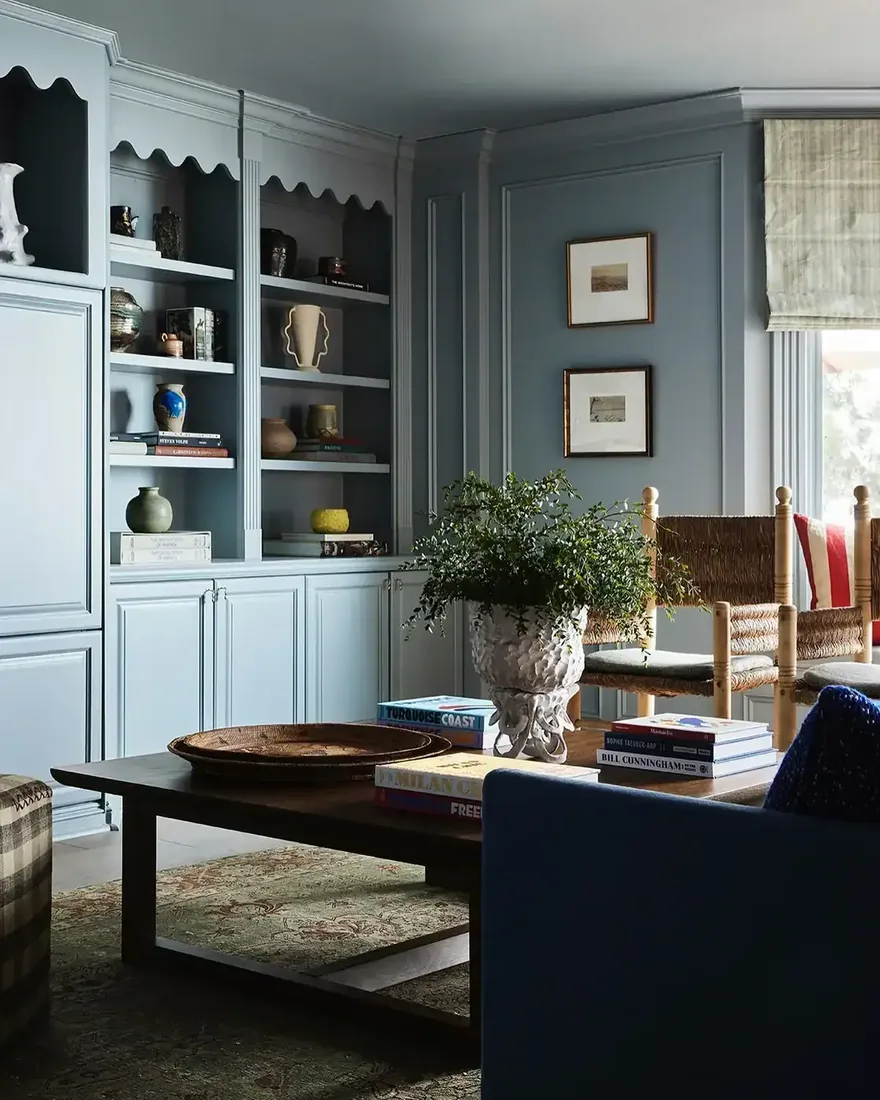
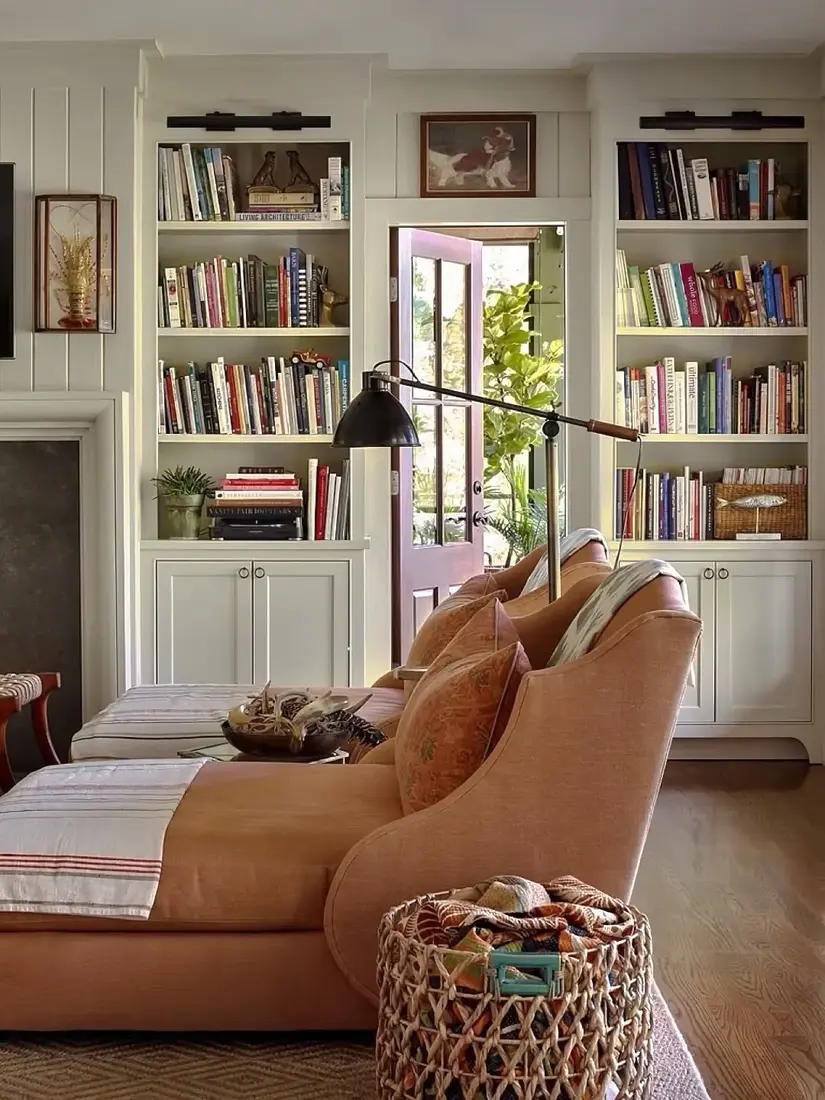
In that peach room the shelves breathe, with daylight reaching every bay and objects given air between groups. Notice the depth, or rather the lack of it: nothing projects far enough to shadow the row below, which is why the whole wall glows instead of looming.
Above a seat you use, shelf depth is a head clearance problem before it is a storage question. Bays 200 to 250mm deep hold paperbacks upright and let a standing adult rise without brushing spines, while 300mm joinery overhead forces ducking and steals the daylight the cushion needs. The principle is that the window stays the focus, so shelving frames it instead of tunnelling it.
Style those bays spare. One run of books with a third of each shelf left empty reads as calm, because the gap gives the eye somewhere to rest between colour. Paint similar in spirit to Farrow & Ball Setting Plaster No.231 or Skimming Stone No.241 keeps peach rooms warm at £50 to £95 for 2.5 litres in 2026, and eggshell suits shelf fronts that hands touch daily. Deep storage belongs in the base below, which is where the next section goes.
Light over the shoulder, not the eyes
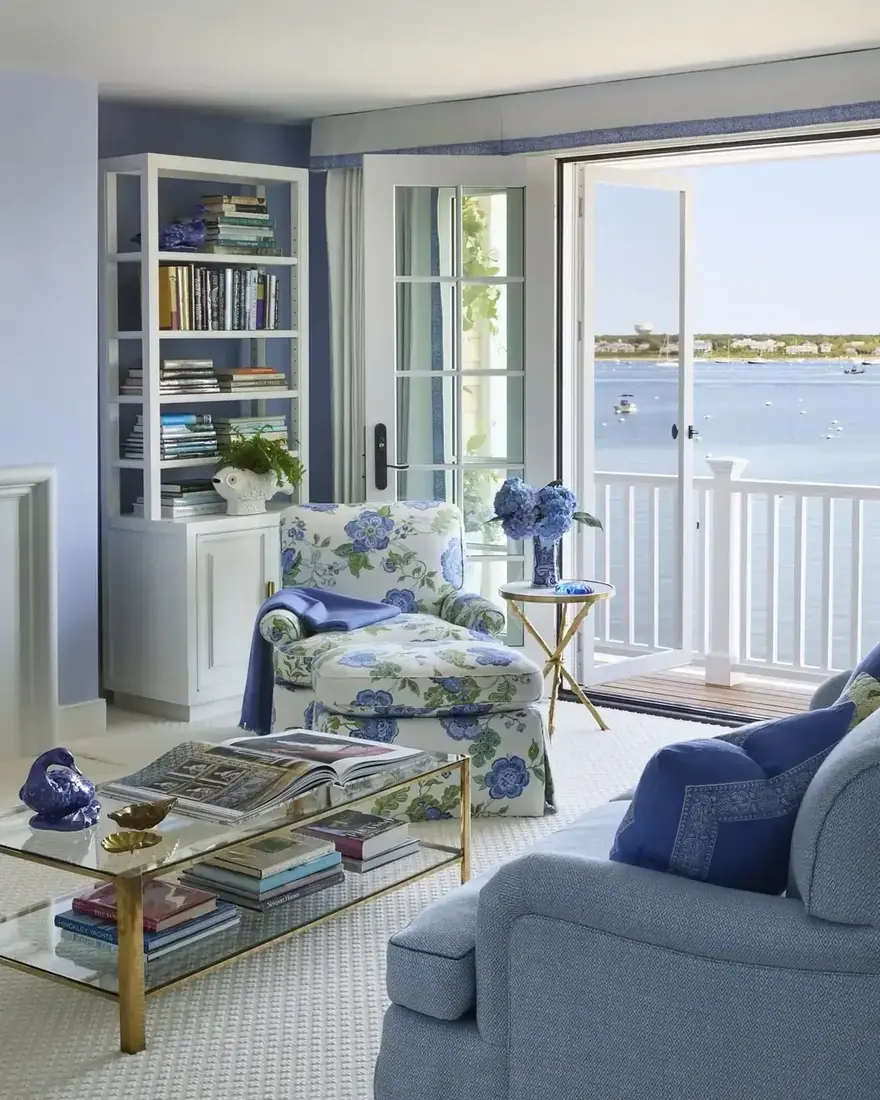
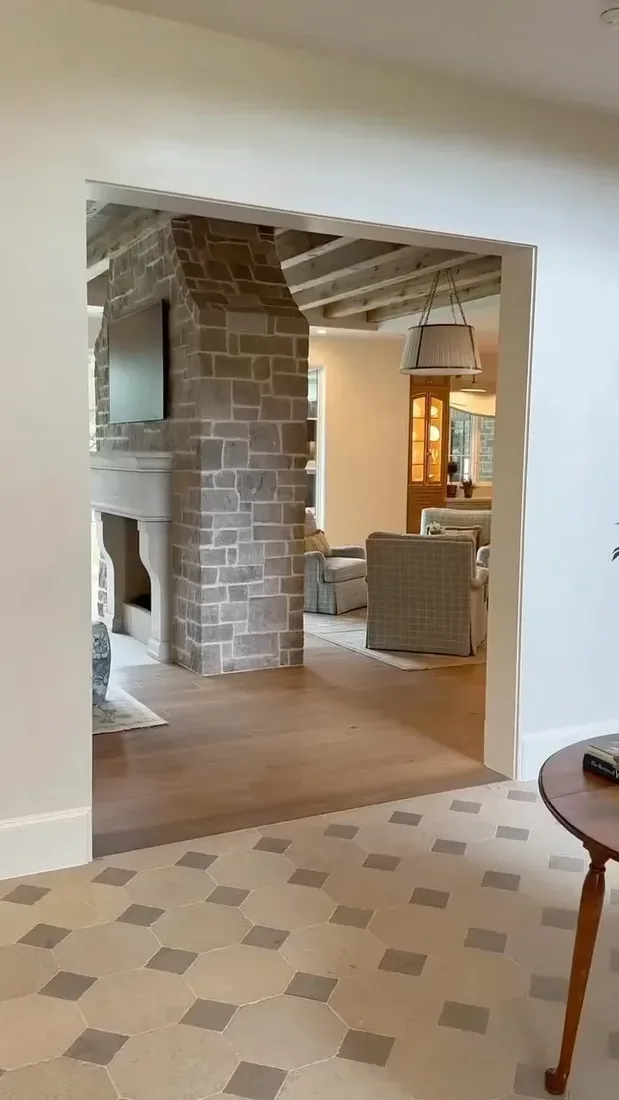
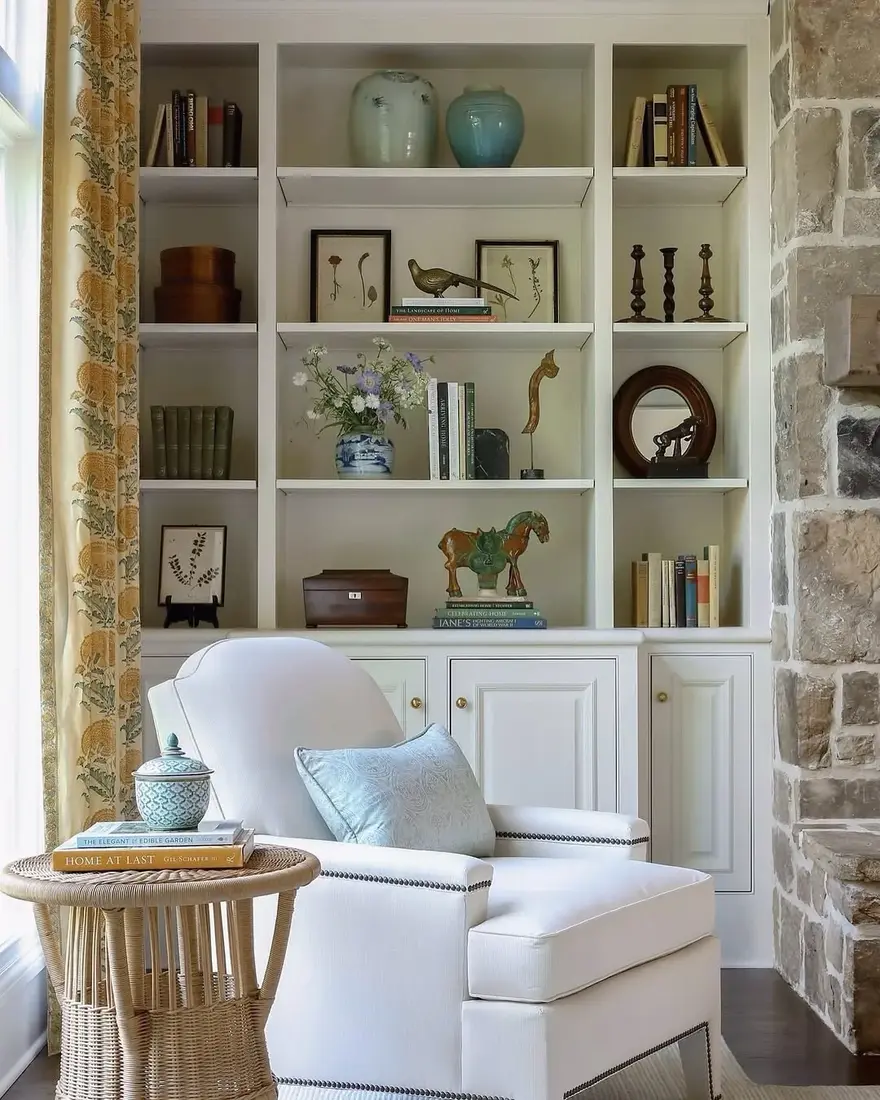
That white shelving against rough stone shows the contrast every niche must manage, bright painted joinery beside a wall that eats light. The shelves read clearly because daylight rakes across them from one side, and a reader needs the same raking source, placed to fall onto the page instead of into the face.
Window light ahead of the sitter backlights the book and tires the eyes within minutes, which nobody discovers until the seat is built. The correction is a wall light or a small library arm on the reading side, throwing a warm pool across the shoulder. Brass arms from Jim Lawrence or Hector Finch run £90 to £220 in 2026, with Pooky shaded spots nearer £60 to £120, and bulbs want warm white near 2700K, since cooler tubes turn paper grey and stone cold after dark.
Wire the switch where the hand falls, and put the fitting on a dimmer from the start. Evening is when the niche earns its keep, with the glass gone dark and the shelves glowing, and a seat that only works by day halves its own value. Plan cable routes before decoration, because chasing walls after painting doubles the cost and the dust.
Storage lives in the base
Look at the lantern glowing among those white shelves, a small warm object holding its own inside pale joinery. The base below a window seat should work the same way, as the quiet workhorse of the wall, hiding the everyday mess so the open shelves can stay honest.
The cheapest volume in the house sits under a bench already being built. Drawers or a hinged lid across a 550 to 650mm deep base swallow throws plus toys plus the blankets reached for when lingering, and the front run flush with the bookcase face reads as one piece of joinery. Shaker fronts painted to match the shelves, in Farrow & Ball Green Smoke No.47 or Little Greene Juniper Ash 115 at £55 to £95 for 2.5 litres in 2026, keep the wall calm while the clutter lives behind doors that close.
Cost the joinery with eyes open. A painted window seat with bookcases either side typically runs £1,500 to £3,500 fitted in 2026 depending on length and drawer hardware, with soft close runners adding £40 to £90 per drawer. That is the number that decides most of this, and it remains cheaper per litre than any freestanding cupboard of similar quality.
| Choice | Guide cost in 2026 | When it earns the money |
|---|---|---|
| Hinged lid base | £150 to £400 added | Toys and spare bedding |
| Drawer bank, soft close | £40 to £90 per drawer | Throws used daily |
| Library wall arm, brass | £90 to £220 per fitting | Evening reading |
| Foam pad cut to size | £80 to £200 | Any seat used weekly |
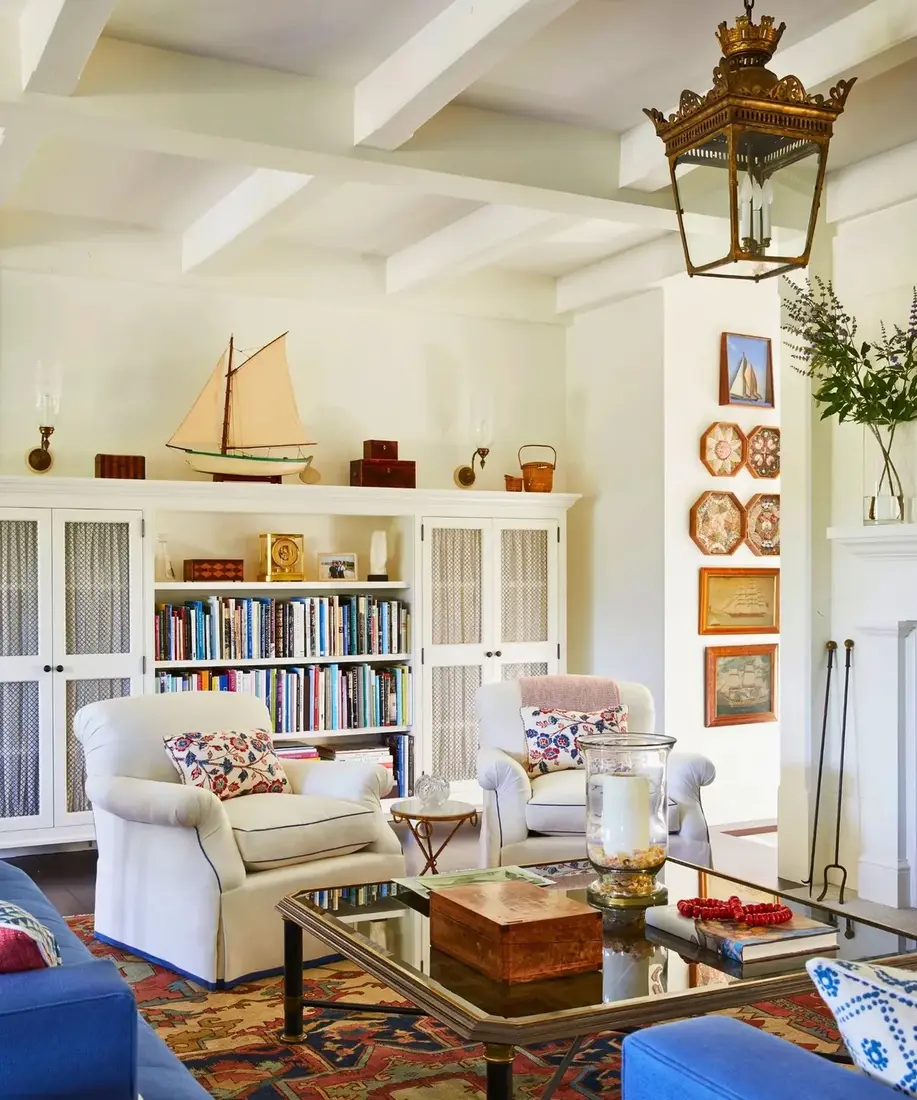
The seat that gets sat in
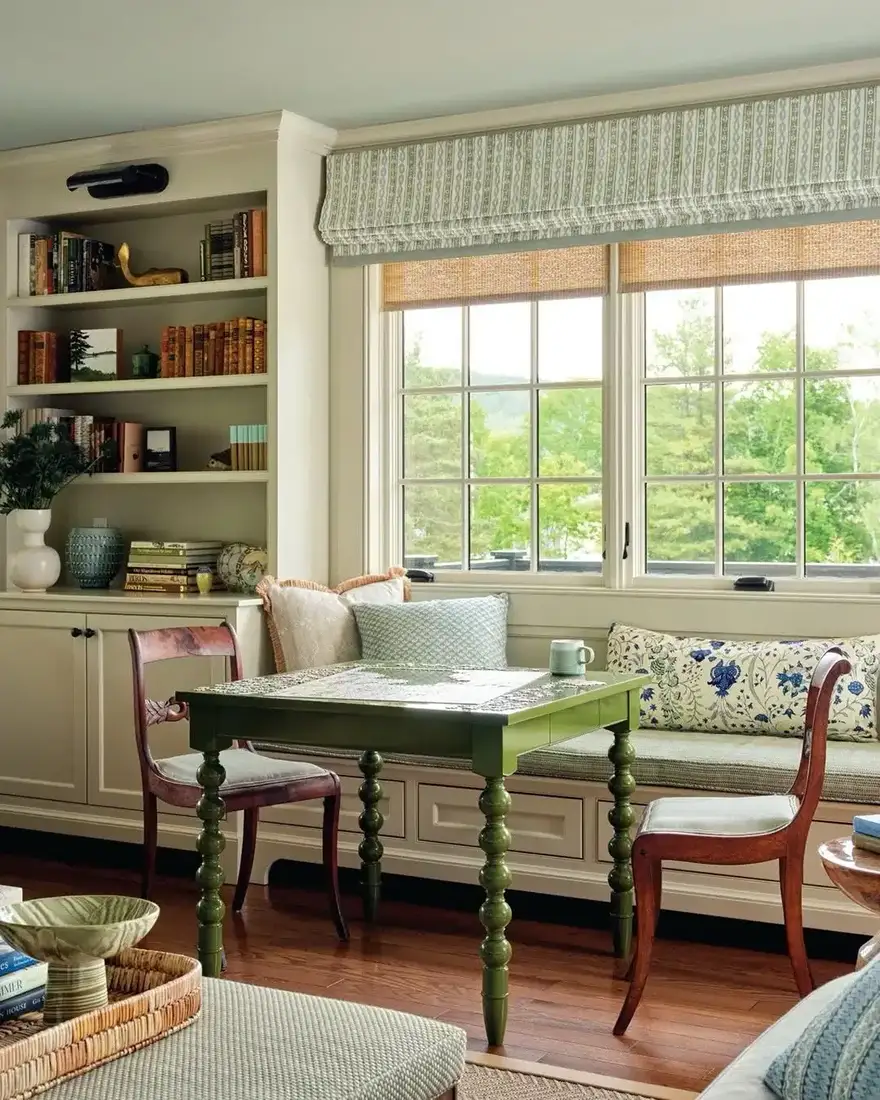
Here at last is the thing itself, a bench set under the window with bookshelves rising alongside and a green side table within reach. The table matters as much as the joinery, because readers carry cups plus glasses plus a lamp, and a seat with nowhere to put them stays a photograph.
Count what the sitter can reach without standing: shelves to the left, light presumably above, and a table inside a 450mm arc of the cushion corner. That arc is the detail to copy, since stretching across the bench for a cup ends evenings early. A side table 500 to 600mm high meets the cushion top near 450 to 480mm, so elbows and rims align.
The fashion for heaping a bench with cushions deserves dry treatment. Styled nooks online carry drifts of pillows nobody moves and everybody photographs, while the seats people actually use carry one back pad plus one folded throw, because every extra object is something to lift before sitting. Leave the niche spare and it fills with readers; dress it to the hilt and it fills with dust.
One caution closes the brief. Where a radiator sits in the bay, keep it vented with a grille in the seat front or a gap along the top, so heat reaches the room instead of the cushion base, and keep the valve accessible for bleeding. A trapped radiator cockles paint, warps boards, and leaves the rest of the room cold while the bench stays too warm to touch.
Frequently Asked Questions
How deep must a bench be before it gets used?
Aim for 550 to 650mm from glass to front edge at a sitting height near 450 to 480mm. Narrower ledges leave calves braced and sitters perched, while far deeper platforms strand shorter legs short of the rear pads.
Which pad matters most, base or rear?
The rear one. Shoulders lean for hours while the base merely carries weight, so give the upright pads height near 400 to 500mm plus a slight tilt, and keep the base slim and firm.
Where should the lamp go beside glazing?
Fit it beside the shoulder used for reading, so its warm pool lands on the page. Glare straight ahead from the glass wearies eyes fast, while side light near 2700K preserves both the view and the print.
Can the plinth hold clutter out of sight?
Yes, and that is its finest role. Lidded compartments or smooth runners across the full depth take throws plus games plus spare rugs, with fronts aligned to the adjacent shelves so the elevation stays single.
What if pipework already fills the bay?
Vent the front with a grille or a shadow gap so warmth escapes, and keep the bleed valve reachable through a panel. Sealed boxes over heat sources blister paint and starve the room while scorching the bench.
How spare should the dressing stay?
One rear pad plus a folded throw, with a third of the overhead bays empty. Heaps of pillows photograph charmingly and deter sitting, since each one must be moved before anyone settles.
In order
- Set depth at 550 to 650mm and height near 450 to 480mm, tested by sitting ten minutes before joinery is fixed.
- Give backs the budget: pads 400 to 500mm high with a slight angle, in washable linen over firm foam.
- Hold overhead bays to 200 to 250mm deep, so standing stays collision free and daylight lands on the pad.
- Bring a dimmable side light at 2700K over the reading shoulder, switched where the hand falls.
- Build drawers or a lid into the base, with fronts flush to the bookcases for one calm elevation.
- Vent any radiator in the bay and keep its valve reachable, or skip the seat and keep the bay as shelving.
This article may contain affiliate links. We may earn a commission at no extra cost to you.